Posts

The Role of Logging Companies in Mitigating Climate Change
Image
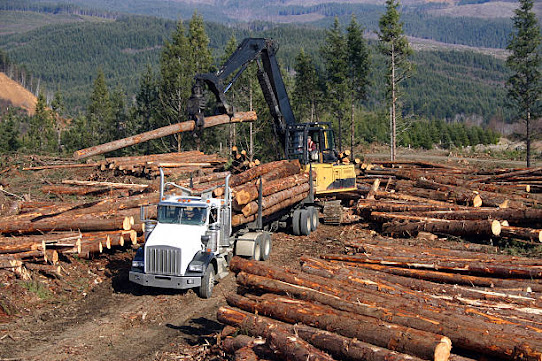
  Many people assume that logging companies contribute to environmental damage and climate change. While it's true that irresponsible logging can be harmful, it's crucial to recognize that not all logging companies operate in this manner. Many are taking active steps to mitigate the impacts of climate change, doing so through sustainable practices and replanting efforts. With NH logging and similar places, this is especially noticeable. Companies in these regions are applying various methods and techniques that not only minimize harm to our planet but also contribute positively to its well-being. In this article, we'll delve deeper into how logging companies are actively combating climate change through sustainable practices, replanting, and community engagement. Why Trees Are More Than Just Wood We often think of trees as a source of wood for our homes or paper for our offices, but they play a much larger role in our ecosystem. Trees act as Earth's lungs, absorbing...

Logging and Watershed Control: Protecting Water Quality

Image
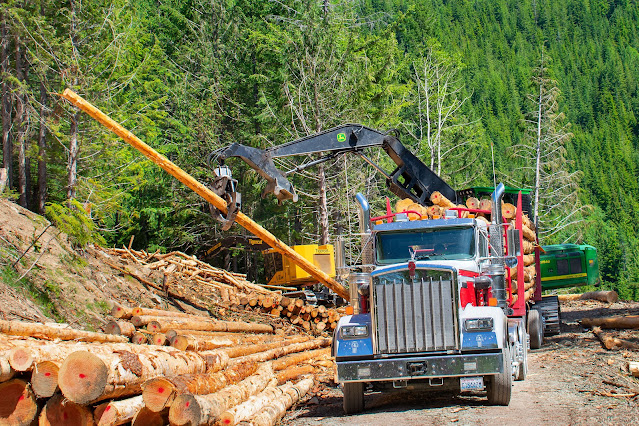
  When we talk about logging, the conversation often centers on its vital role in supporting our everyday lives. From the homes we live into the paper we write on, timber is an essential resource. What many people don't realize is that logging, when conducted responsibly, can coexist with and even contribute to effective watershed control. In locations ranging from NH Logging regions to those serviced by Vermont Logging Companies, advanced techniques and cooperative strategies are helping to safeguard our water resources. This article will delve into the synergies between logging and watershed control and highlight how the industry is taking steps to protect water quality. The Mutual Benefits of Watersheds and Logging Watersheds, the areas of land that collect and channel water into rivers and lakes, serve as nature's natural filtration systems, purifying water as it flows through. These ecosystems are vital for maintaining water quality, but what's often overlooked is...

Exploring Various Methods of Land Clearing

Image
Imagine a piece of land filled with trees, shrubs, and rocks. Now, imagine that same space transformed into a beautiful garden, a playground, or even a new home. That transformation is possible because of the process known as land clearing. Many places, from Vermont’s peaceful countryside to New Hampshire’s picturesque landscapes, have seen areas evolve from dense forests to usable spaces. So, why do we clear land? It helps create room for farming, construction, and many other activities that benefit communities and individuals. With that in mind, let’s delve into the various methods of clearing that land to make way for new beginnings. Manual Clearing This method is often considered the most basic form. People use tools like axes, hoes, and machetes to clear smaller areas. Manual clearing is ideal when there aren’t many trees or bushes to remove. This might be the method of choice for many homeowners who have a small lot that needs some tidying up. Plus, it’s an eco-friendly method, p...

Reviving Ecosystems: The Role of Lot Clearing in Wildlife Restoration

Image
Lot clearing is often associated with creating space for construction or landscaping purposes. However, it can also play a vital role in wildlife habitat restoration. By strategically clearing and managing vegetation, property owners can contribute to preserving and enhancing local ecosystems. Wildlife habitat restoration aims to revive and enhance natural environments that have been disrupted or degraded.  With increasing urbanization and habitat loss, preserving and restoring habitats is crucial for the survival of many species. Lot clearing in New Hampshire or elsewhere can serve as a proactive approach to support these efforts by providing suitable conditions for native plants and animals to thrive. Today, we explore the role of lot clearing for wildlife habitat restoration. Creating Diversity A key goal of wildlife habitat restoration through lot clearing in NH or beyond is to promote biodiversity. By creating a diverse range of plant species, property owners can attract and ...

Exploring the Importance Of Lot Clearing

Image
  Lot clearing refers to the process of removing trees, bushes, and other vegetation from a piece of land. It is an essential step in land development, preparing the land for construction, agriculture, or other purposes. Lot clearing in NH or anywhere else can be a daunting task, but it offers several benefits that make it necessary. Here, we explore the importance of lot clearing and why it is necessary for any land development project. ● Enhancing Safety and Aesthetics One of the most apparent reasons why lot clearing is essential is to improve the safety and aesthetics of the land. Overgrown vegetation can be a significant hazard, especially during storms and high winds. Trees and branches can fall, causing damage to property and, in severe cases, injury or even death. Clearing a lot of trees and overgrown vegetation eliminates these hazards, making the land safer for future use. Additionally, removing overgrown vegetation improves the aesthetic appeal of the land, making it mo...